Journal Venetian plaster
Transform Your Space with Venetian Plaster Techniques
Venetian plaster is more than just a wall finish; it's a transformative technique that can elevate the aesthetic of any space. With its rich texture and depth, Venetian plaster offers a unique blend of elegance and artistry, making it a popular choice for homeowners and designers alike. In this blog post, we will explore the techniques of Venetian plaster, its benefits, and how you can incorporate it into your own home.
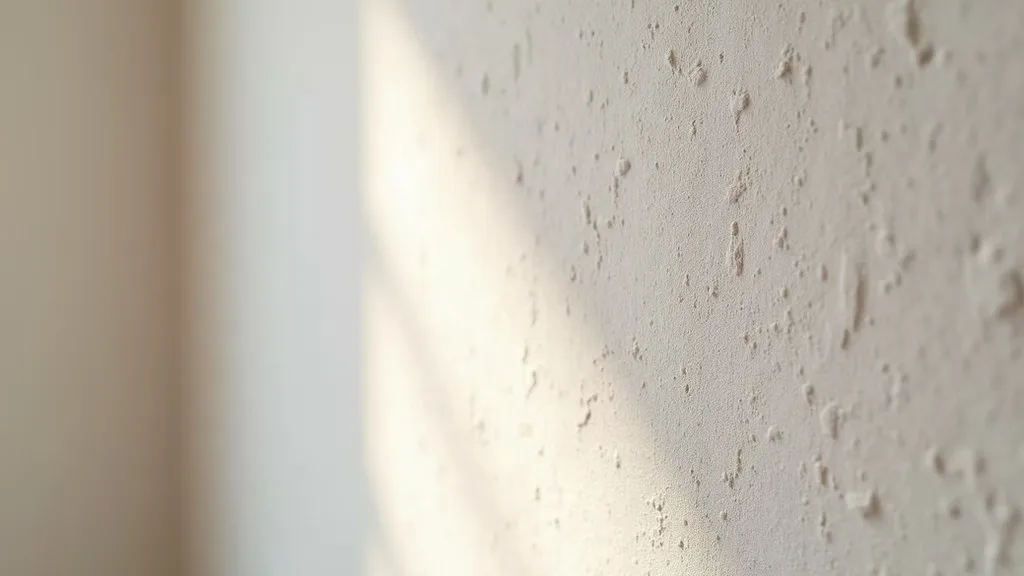
What is Venetian Plaster?
Venetian plaster, also known as stucco veneziano, is a traditional Italian plastering technique that dates back to ancient Rome. It consists of a mixture of lime, marble dust, and pigments, which creates a smooth, polished finish. The application process involves multiple layers, each meticulously applied and polished to achieve a stunning, reflective surface.
The History of Venetian Plaster
The origins of Venetian plaster can be traced back to the Renaissance period in Venice, where artisans developed this technique to create beautiful interiors in palaces and churches. Its popularity spread throughout Europe and eventually made its way to the United States, where it has become a favored choice for both residential and commercial spaces.
Benefits of Using Venetian Plaster
Aesthetic Appeal
One of the most significant advantages of Venetian plaster is its aesthetic appeal. The technique allows for a wide range of finishes, from matte to high-gloss, and can be customized with various colors and textures. This versatility makes it suitable for any design style, whether modern, traditional, or eclectic.
Durability
Venetian plaster is not only beautiful but also incredibly durable. When properly applied, it can last for decades without chipping or peeling. The lime content in the plaster also makes it resistant to mold and mildew, making it an excellent choice for humid environments.
Eco-Friendly
Many Venetian plaster products are made from natural materials, making them an eco-friendly option for homeowners looking to reduce their environmental impact. Lime is a sustainable resource, and the production of Venetian plaster has a lower carbon footprint compared to synthetic alternatives.
Techniques for Applying Venetian Plaster
Preparation
Before applying Venetian plaster, it is essential to prepare the surface properly. This involves cleaning the wall, repairing any imperfections, and applying a primer if necessary. A smooth, clean surface is crucial for achieving the best results.
Layering
The application of Venetian plaster typically involves multiple layers. Here’s a step-by-step guide:
- Base Coat: Start with a base coat of plaster, applied with a trowel. This layer should be relatively thick and will serve as the foundation for the subsequent layers.
- First Layer: Once the base coat has dried, apply the first layer of Venetian plaster. This layer should be thinner and can be applied using a stainless steel trowel. The goal is to create a smooth surface with some texture.
- Polishing: After the first layer has dried, use a trowel to polish the surface. This step enhances the shine and depth of the plaster.
- Second Layer: Apply a second layer of plaster, following the same technique as the first. This layer can be tinted with pigments to achieve the desired color.
- Final Polish: Once the second layer has dried, polish the surface again to achieve a high-gloss finish.
Tools Needed
To achieve the best results, you will need the following tools:
- Stainless steel trowels
- A hawk (a flat tool for holding plaster)
- Sandpaper for smoothing edges
- A sponge for cleaning
Color and Texture Options
Color Choices
Venetian plaster can be tinted with a variety of pigments, allowing you to create a custom color palette that suits your space. Popular colors include soft neutrals, bold jewel tones, and earthy shades. Consider the overall color scheme of your room when selecting a hue.
Texture Variations
The texture of Venetian plaster can also vary significantly. Some common textures include:
- Smooth: A polished, reflective surface that adds elegance.
- Ragged: A more rustic look with visible brush strokes.
- Matte: A soft, non-reflective finish that creates a cozy atmosphere.
Incorporating Venetian Plaster into Your Home
Accent Walls
One of the most popular ways to use Venetian plaster is by creating an accent wall. This technique adds depth and interest to a room without overwhelming the space. Choose a bold color or unique texture to make a statement.
Ceilings
Don’t limit Venetian plaster to just walls. Applying it to ceilings can create a stunning focal point. A high-gloss finish can reflect light beautifully, making the room feel larger and more open.
Bathrooms and Kitchens
Venetian plaster is an excellent choice for bathrooms and kitchens due to its moisture resistance. Consider using it as a backsplash or in shower areas for a luxurious touch.
Maintenance and Care
Cleaning
Maintaining Venetian plaster is relatively simple. Regular dusting and occasional wiping with a damp cloth will keep the surface looking fresh. Avoid harsh chemicals, as they can damage the finish.
Repairs
If your Venetian plaster gets damaged, repairs can be made by applying a small amount of plaster to the affected area and polishing it to match the surrounding surface.
Conclusion
Venetian plaster is a timeless technique that can transform any space into a work of art. Its beauty, durability, and eco-friendliness make it a popular choice for homeowners looking to enhance their interiors. By understanding the application techniques and exploring color and texture options, you can create a stunning environment that reflects your personal style.
Whether you opt for a smooth, polished finish or a textured, rustic look, Venetian plaster is sure to add a touch of elegance to your home. So why not take the plunge and transform your space with this exquisite technique? Your walls will thank you.